.I do not take photographs; .I make them
Throughout my photographic practice, I have never sought to narrate a story, assert a phenomenon, or produce documentation. Rather, my images are nothing more than an ongoing inquiry — an attempt to understand and to question: myself, the human condition, and all that exists beyond me — objects, beings, modes of existence, and the relationships that unfold between them.


.a half-century behind the lens
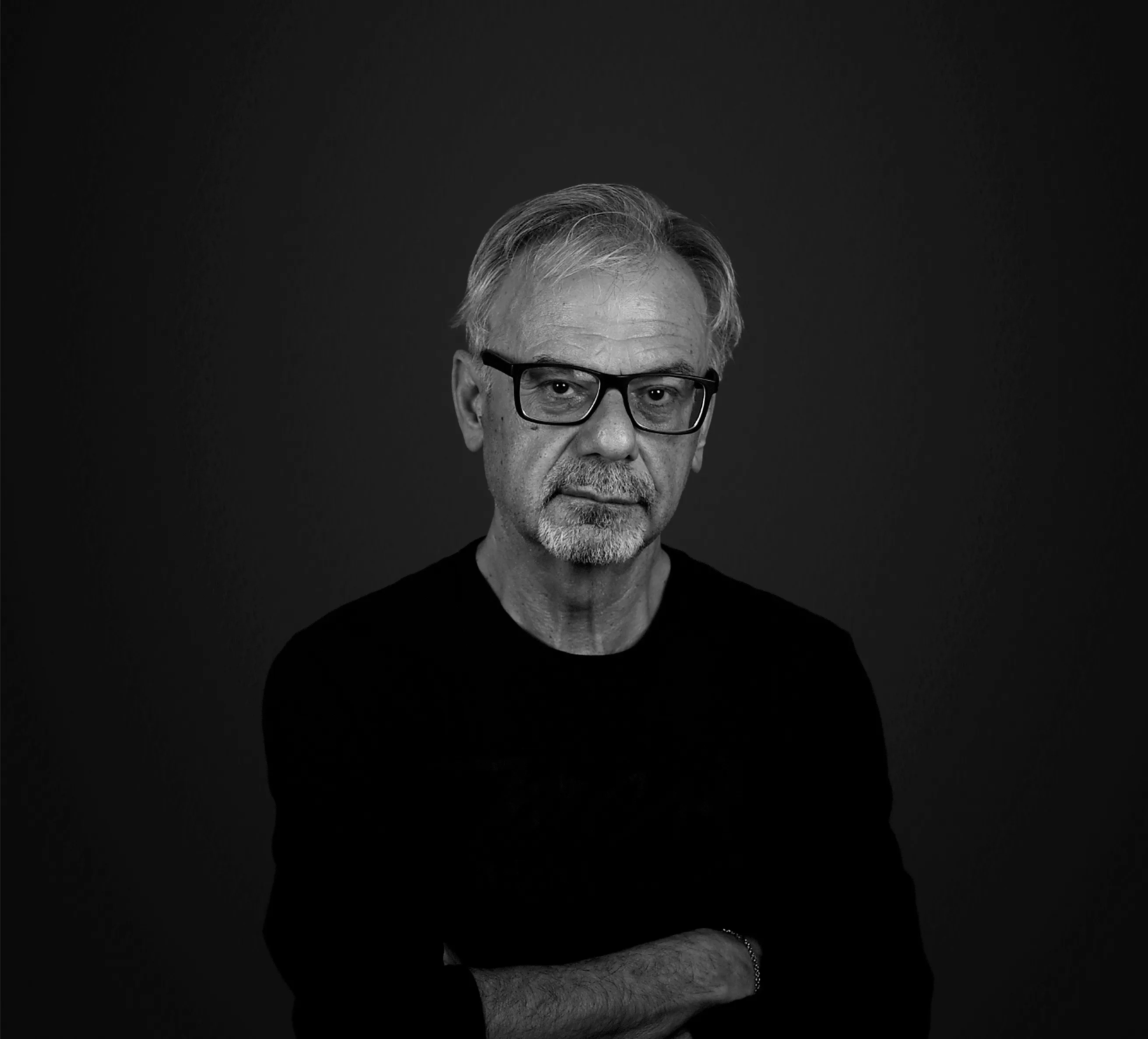
Orhan Alptürk (1953-2022) is a Turkish photographer, educator, and theorist working in the field of conceptual and experimental photography. He graduated from the Department of Electronics and Communication Engineering at Istanbul Technical University in 1975. In the early years of his career, he took part in the establishment of TRT İzmir Television. From the 1980s onward, Alptürk focused on photographic production, developing a practice that diverged from Türkiye’s dominant documentary tradition. Instead, he approached photography as a medium for visual thinking and conceptual expression. For many years, he taught courses on photographic theory, visual perception, and contemporary photographic practices at various institutions, particularly at Dokuz Eylül University Faculty of Fine Arts. Through his role as an educator, he has made significant contributions to the development of contemporary photographic thought in Türkiye. His works have been exhibited both in Türkiye. and internationally, and his writings and projects on photography have been referenced in academic studies.
.read more.a Retrospective View of Orhan Alptürk's Photography
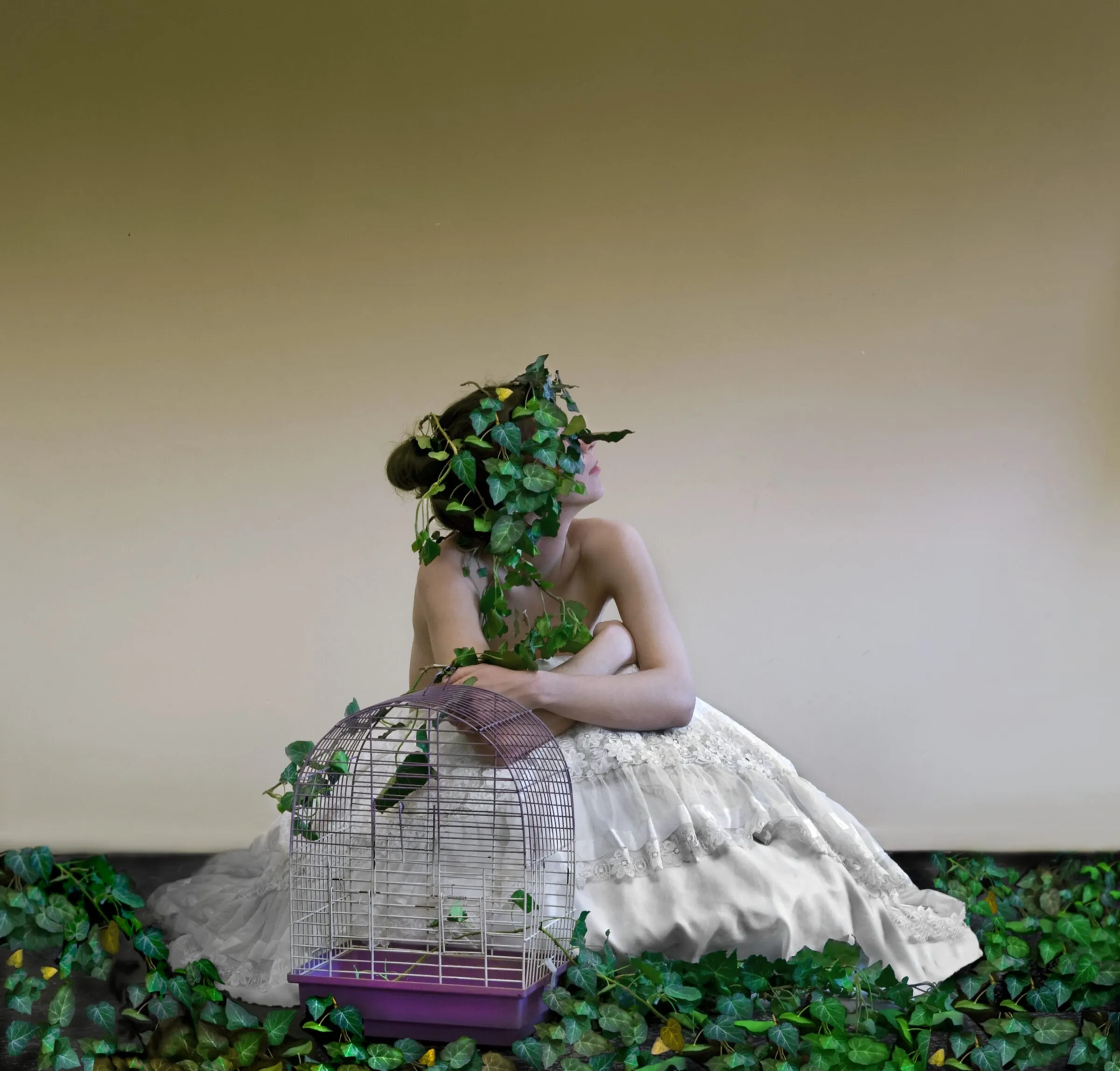
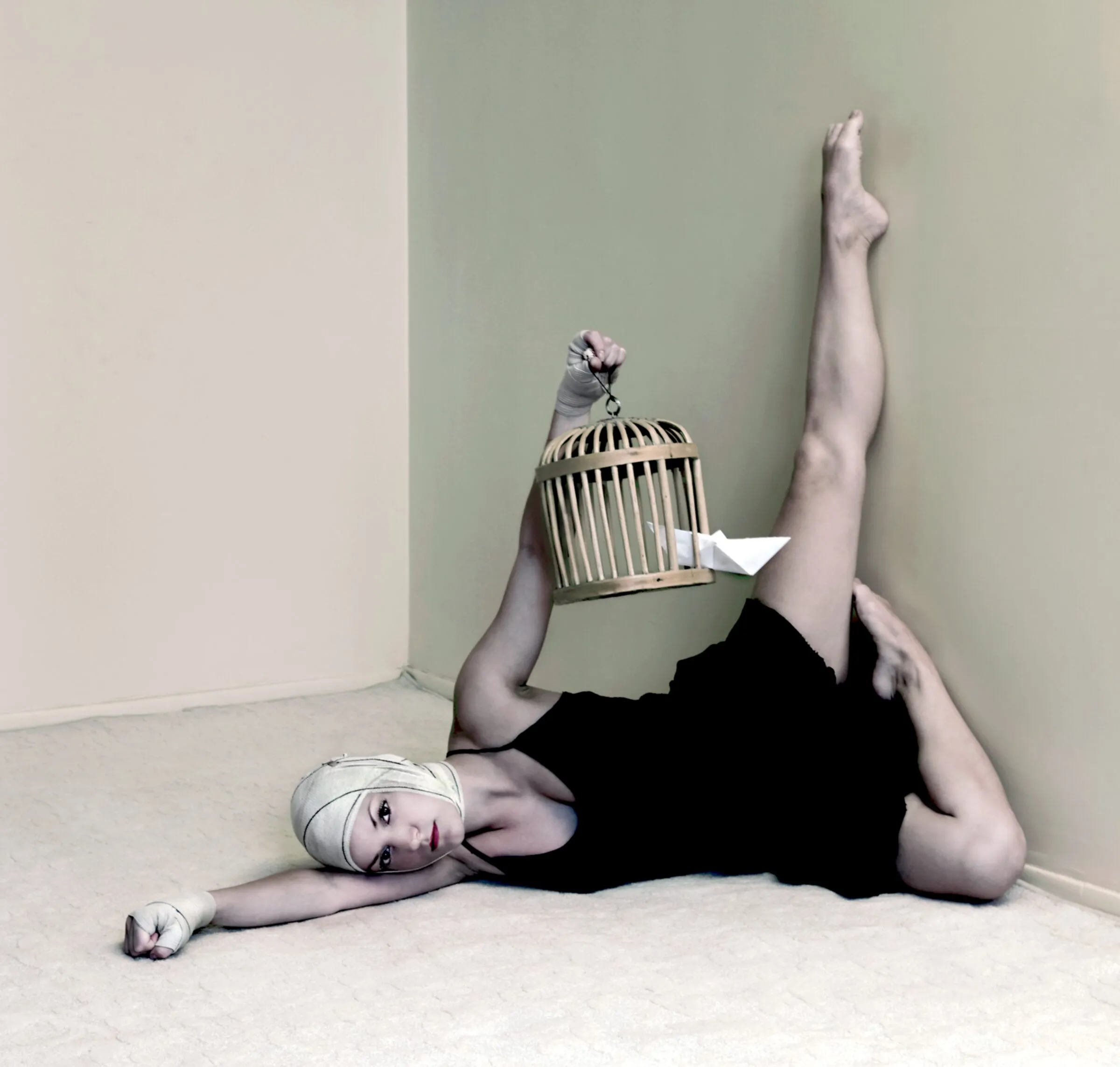
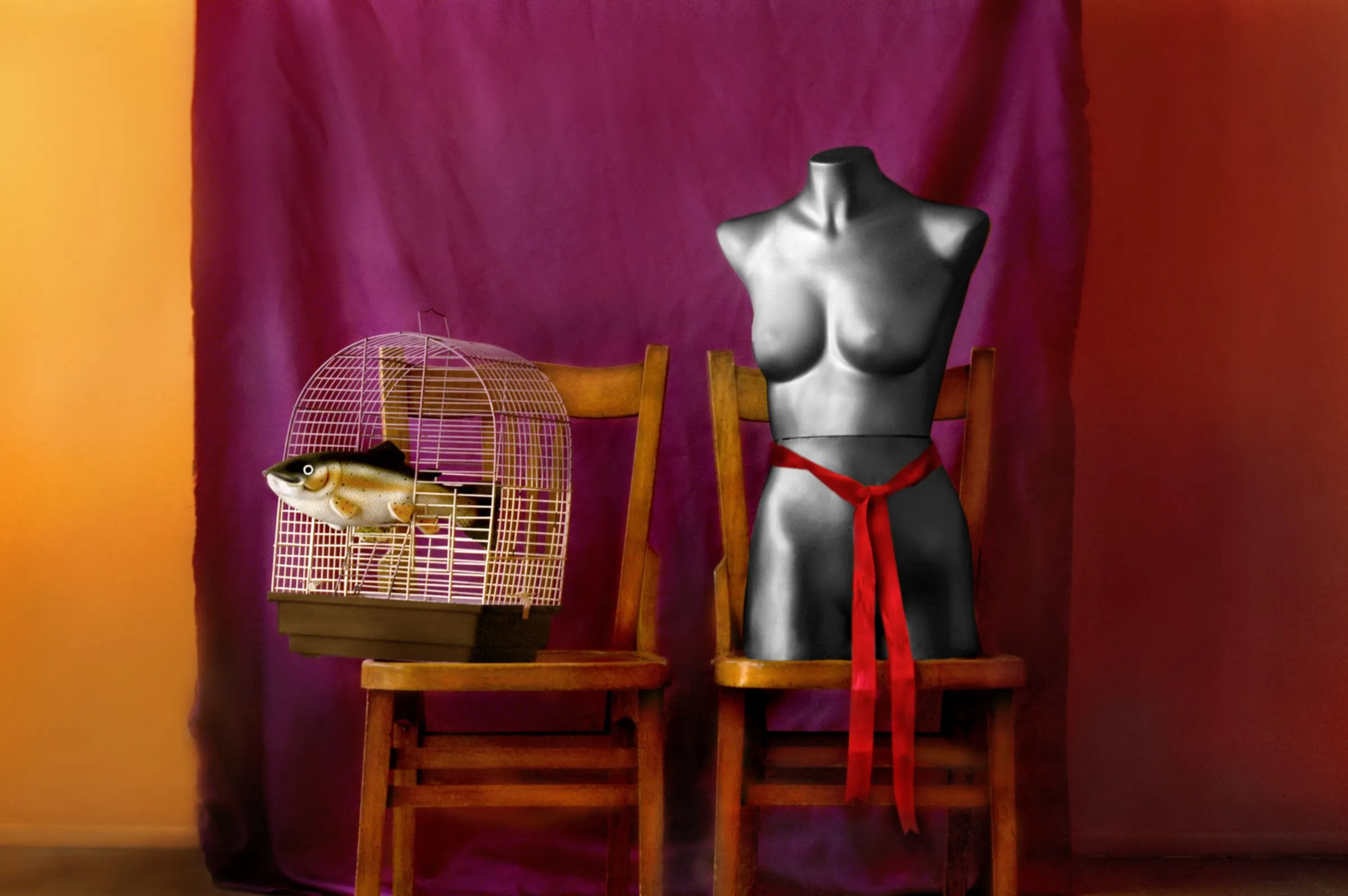
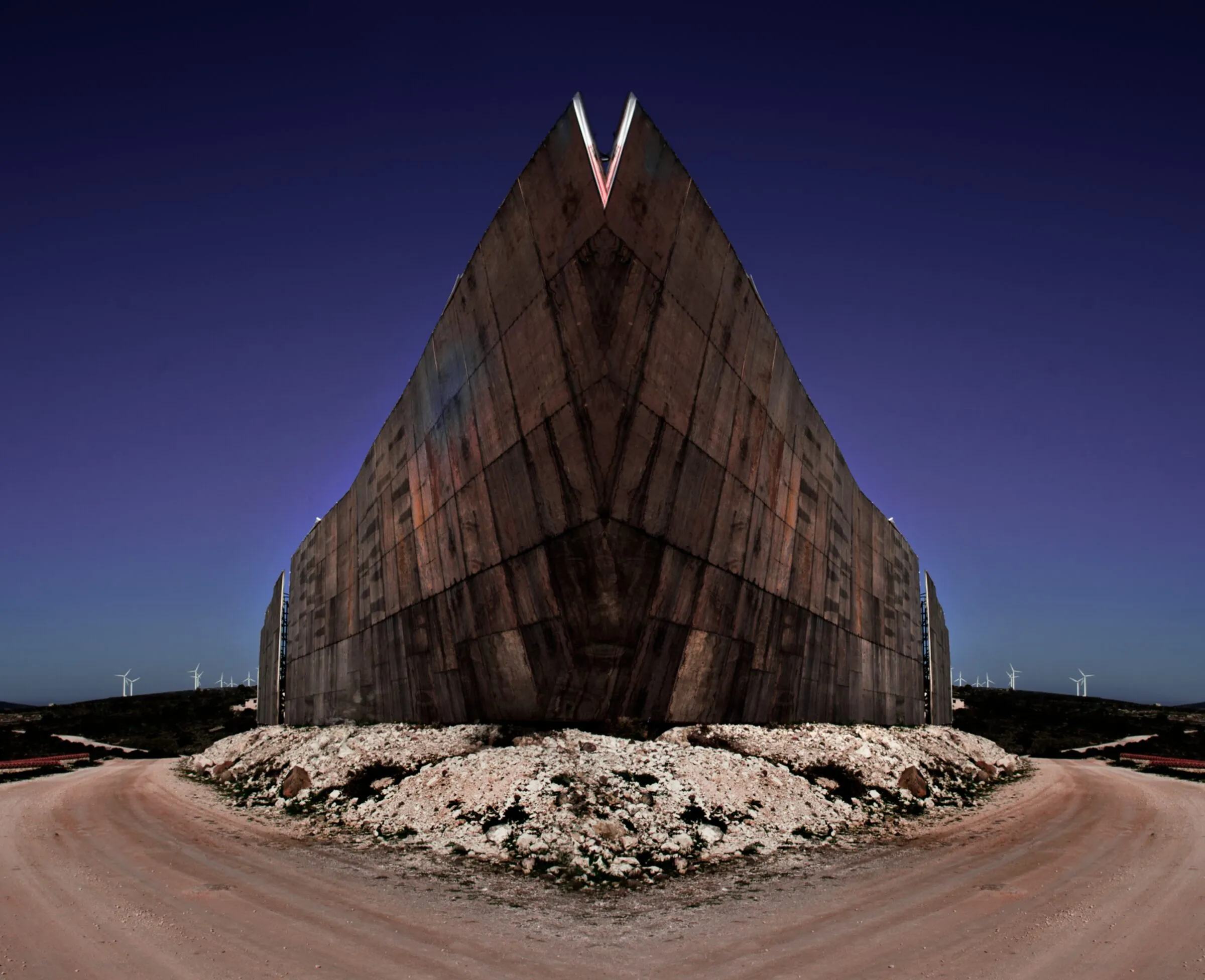
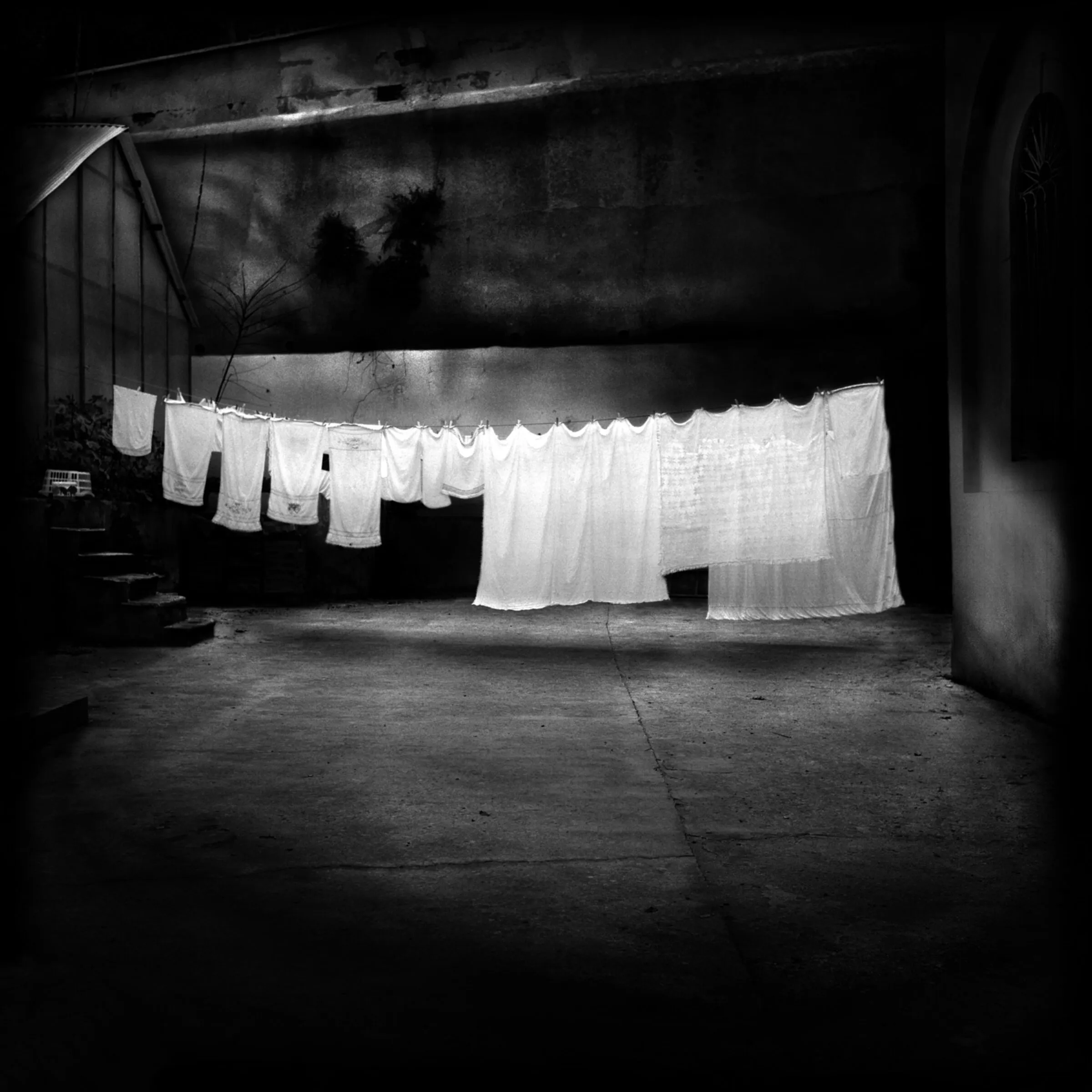
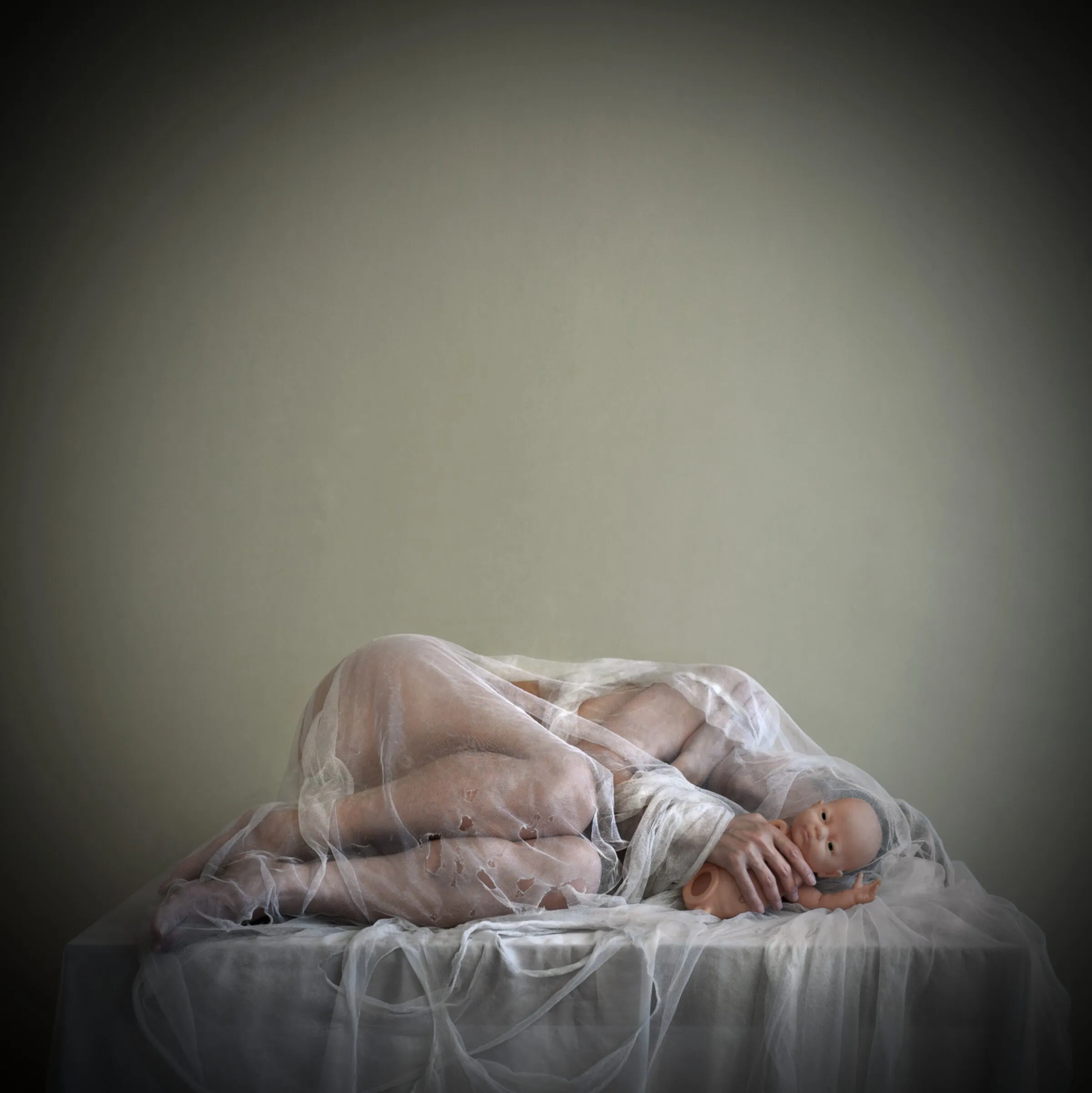
When examining the historical development of photography in türkiye, it becomes evident that the field has long been shaped by documentary and photojournalistic traditions. Within this framework, photography has predominantly been regarded as a visual record of social life, and the image has been accepted as a direct testimony of reality. However, beginning in the 1980s, certain artists began to challenge this notion, producing works that emphasized photography not merely as a tool for documentation, but as a field of intellectual and conceptual production. Orhan Alptürk stands as one of the key figures in this transformation. Alptürk’s photographic practice has evolved as a field of inquiry that questions the reality represented by the image. In his work, photography appears not simply as a tool that records the visible world, but as a visual structure through which meaning is produced. This approach transforms photography from the production of aesthetic images into a space of intellectual investigation. The empty spaces, everyday objects, and minimal compositions frequently encountered in the artist’s photographs do not confront the viewer with a direct narrative. Instead, they establish an open relationship between the photograph and the viewer. Meaning does not exist as a fixed entity within the image; it emerges through the viewer’s experience and interpretation. For this reason, Alptürk’s photographs can often be read less as narratives and more as spaces for thought. This approach becomes particularly evident in the artist’s serial productions. Works such as 40 Stories, Other Seas, Postcard Bodies, and Dream breaker stand out as series that explore the narrative potential of photography. In these series, objects function not only as elements of composition but also as visual components carrying metaphorical meaning. Empty chairs, windows, doors, and everyday items appear as images that evoke absence or point toward the existential condition of the human being. Alptürk’s photographic language is largely constructed upon a minimalist aesthetic. Simple compositions and strong contrasts lend his photographs a graphic structure while simultaneously making their layers of meaning more visible. This aesthetic choice directs the viewer’s attention away from purely formal qualities toward the conceptual field evoked by the image. Within the history of photography in türkiye, Orhan Alptürk’s work can be situated within a conceptual photographic trajectory that developed outside the documentary tradition. In this context, his practice should be considered alongside artists who, since the 1980s, have sought to align photography with contemporary art practices. However, what distinguishes Alptürk is not only his photographic production, but also the theoretical framework he has developed around photography. As he articulates: “The relationship between the photographic image and its object has begun to free itself from the influence of inherited regimes of predetermined meaning. It has become increasingly clear that photographic references are not limited to objective reality, but rather relate to every possible interaction between human beings and objects.” Over many years, the artist has taught courses on photographic theory and visual perception, and has produced writings on the ontology of photography and the meaning of the image. In this respect, Alptürk occupies a rare position in Türkiye as an artist who embodies both the roles of photographer and theorist. His work can therefore be understood not only as visual production, but also as a mode of thinking about what photography is and how it should be read. The selection presented on this website brings together works from different periods of Orhan Alptürk’s practice, aiming to make visible the evolution of his photographic language. Extending from early works to conceptual series, this archive demonstrates that photography is not merely a tool for representing the world, but also a means of rethinking it. Looking back today, Alptürk’s work stands among the significant contributions that have expanded the intellectual dimension of photography in Türkiye. His photographs remind us that the image is not only what we see, but also what we think, remember, and interpret. The artist expresses his understanding of photography in the following words: “I approach the discourse of photography, above all, from the premise that photography is a visual language—always bearing in mind that language itself is inherently a social, historical, and political phenomenon. In considering photography as a means of artistic expression, I have never regarded it as a mere copy or mirror of objective reality. Certainly, every photograph may originate from reality, may take its impulse from it; yet it is under no obligation to remain bound to it. Rather, it operates within the freedom to rearticulate and reconstruct reality through its own autonomous language. As Roland Barthes suggests, “the photograph is an extended, loaded evidence—it seems less to represent the form of what it depicts than to caricature its very existence.” Every object we encounter in a photograph points toward the past, signifying “this has been.” Yet any meaning beyond this is produced within the realm of language. In my view, the relationship of photography to its fundamental ontological ground in reality does not extend beyond this condition. The numerous sensational speculations surrounding photographic discourse largely arise from attempts to define its relationship with objective reality—and continue to do so. Even in an age saturated with visual images and simulations, these debates have yet to fully engage with the reality of language itself, and its historical, social, and political constitution. It should not be forgotten that our relationship to objective reality is not only a linguistic one, but also a relationship of knowledge—scientific, philosophical, artistic, and ethical. These dimensions exist in an inseparable dialectical relationship. Today, those who are aware of this complexity approach the relationship between image and reality with more critical and profound questions. The relationship between the photographic image and its object has begun to free itself from inherited regimes of predetermined meaning. It is now increasingly understood that photographic references are not confined to objective reality, but extend toward every possible relation between human beings and objects. In this sense, the referential structure of the photographic sign ultimately turns back upon itself. In my own practice, I have sought to produce images in light of this understanding. I have not aimed to narrate a story, describe a phenomenon, or document reality. Rather, my images emerge from an ongoing effort to question and understand—myself, the human condition, objects, beings, modes of existence, and the relationships that unfold between them. This approach has enabled me to expand and deepen my perceptual capacities, allowing me to engage with my own existence and with existence itself from multiple and shifting perspectives.”